When Love Was Measured in Flour and Frosting: The Lost Art of the Homemade Celebration
The Kitchen That Became a Stage
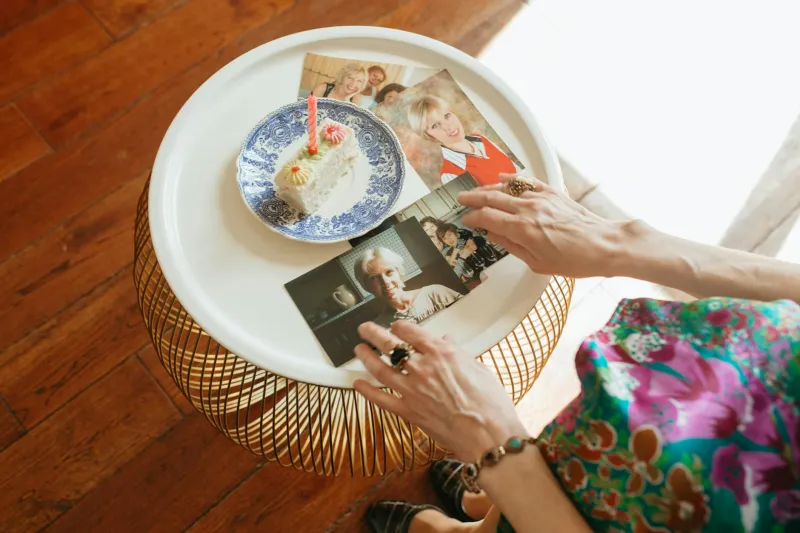
Sarah Williams remembers her eighth birthday in 1967 with startling clarity. Not because of elaborate decorations or expensive gifts, but because of the flour handprints her mother left on her apron while making a chocolate cake from scratch. The celebration lasted three hours, cost about five dollars, and created memories that lasted a lifetime.
 Photo: Sarah Williams, via images.squarespace-cdn.com
Today, that same birthday would likely involve a $200 party package, professional entertainment, and a cake from a specialty bakery that costs more than Sarah's mother spent on groceries in a week. The modern American birthday has become a performance, complete with Instagram-worthy backdrops and Pinterest-inspired themes.
But somewhere between convenience and spectacle, we lost something essential: the understanding that effort, not expense, was the truest expression of love.
When Birthdays Were Built, Not Bought
In mid-century America, birthday celebrations were intimate, homemade affairs. The typical party involved family, maybe a few neighborhood kids, and traditions that passed down through generations like family recipes.
The birthday cake wasn't just dessert — it was the centerpiece of a ritual that began days earlier. Mothers would plan the flavor based on the birthday child's preferences, not what looked best on social media. The mixing, measuring, and decorating happened at home, often with the birthday child as an eager assistant.
Decorations came from construction paper and creativity, not party supply stores. Handmade banners spelled out "Happy Birthday" in crooked letters that somehow conveyed more affection than any professionally printed sign. Games were improvised from household items: pin the tail on the donkey drawn on butcher paper, musical chairs with actual chairs from the dining room.
Gifts were thoughtful rather than expensive. A new book, a handmade doll, a model airplane that would provide weeks of entertainment. The focus wasn't on the size of the gift pile but on the thought behind each present.
The Economics of Celebration
Consider the typical birthday party budget across the decades:
1960s Birthday Party:
- Homemade cake: $2 (ingredients)
- Handmade decorations: $1
- Simple gifts from family: $10-15
- Total: Under $20
2024 Birthday Party:
- Bakery cake: $50-100
- Party supplies: $75-150
- Venue rental: $200-500
- Entertainment: $150-300
- Gifts: $200-500
- Total: $675-1,550
Adjusted for inflation, that 1960s party would cost about $180 today. Modern celebrations cost 3-8 times more, but are they really 3-8 times better?
When Pinterest Replaced Patience
The transformation began gradually in the 1980s and accelerated with the rise of social media. Birthday parties became opportunities to showcase parenting skills, disposable income, and creative abilities to an audience beyond the birthday child.
Pinterest, launched in 2010, turned party planning into a competitive sport. Suddenly, a simple birthday cake wasn't enough — it needed to be a three-tier fondant masterpiece with hand-painted details. Decorations required specific color schemes and themed elements purchased from specialty retailers.
The pressure to create "magical moments" led parents to outsource what previous generations did themselves. Professional party planners, once reserved for wealthy adults, became common for children's birthdays. Bounce house rentals, character appearances, and elaborate party favors became standard expectations rather than special treats.
The Labor of Love vs. The Convenience of Cash
What we lost in this transformation wasn't just money — it was the intimate act of creation that communicated love in ways that money cannot replicate.
When a mother spent three hours making a birthday cake from scratch, every step was an investment of attention and care. The birthday child could see, smell, and participate in the process. They understood that someone had devoted time and effort specifically to their happiness.
Today's bakery cakes might be more elaborate and technically perfect, but they lack that personal investment. The birthday child receives the finished product without witnessing the labor of love that created it.
The same principle applies to decorations, games, and even invitations. Handwritten notes on construction paper required time and thought for each guest. Mass-produced invitations ordered online are more convenient but less personal.
The Pressure to Perform
Modern birthday parties often feel more like productions than celebrations. Parents spend weeks planning themes, coordinating vendors, and managing logistics. The focus shifts from the birthday child's joy to the adults' execution of an elaborate event.
Children, too, feel this pressure. They develop expectations based on what they see at friends' parties or on social media. A simple home celebration can feel inadequate compared to the elaborate spectacles that have become the new normal.
Melissa Chen, a mother of two in Portland, describes the anxiety: "My daughter's friends have had parties with pony rides, magicians, and custom cakes that look like works of art. When her birthday came around, I felt like I needed to compete. We spent $800 on a party that stressed me out for weeks. Looking back, I don't think she enjoyed it more than the simple parties I had as a kid."
The Hidden Costs of Convenience
The outsourcing of birthday celebrations reflects a broader trend in American life: the replacement of personal effort with purchased services. While this creates convenience, it also eliminates opportunities for families to create together.
Children who grow up with professionally planned parties never learn to make celebrations themselves. They don't develop the skills to transform simple materials into something special through creativity and effort. The satisfaction of creating something beautiful with your own hands becomes foreign.
The economic impact extends beyond individual families. The birthday party industry — party planners, specialty bakeries, bounce house rentals, entertainment services — represents billions in spending that didn't exist when families celebrated at home.
When Simple Was Sufficient
Talk to adults who grew up in the 1950s and 1960s, and they remember their childhood birthdays with remarkable fondness. Not because they were elaborate, but because they were personal.
Robert Martinez, 72, recalls his tenth birthday: "My mom made a baseball-themed cake because I was obsessed with the Giants. She used green frosting for the field and drew the bases with white icing. It wasn't perfect, but it was mine. She had listened to what I cared about and turned it into something edible. No bakery could have made something that meant more to me."
 Photo: Robert Martinez, via i1.kym-cdn.com
These memories highlight what made traditional celebrations special: they were expressions of specific relationships and personal knowledge. The imperfections — the lopsided cake, the crooked decorations, the games that didn't quite work as planned — became part of the charm rather than sources of embarrassment.
The Return to Homemade
Some families are rediscovering the joy of simpler celebrations. The COVID-19 pandemic forced many to celebrate at home, and some discovered they preferred the intimacy to the spectacle.
"We started making birthday cakes together as a family during lockdown," says Jennifer Walsh, a mother of three in Ohio. "My kids love the process as much as the party. They help mix the batter, choose the decorations, and feel proud of what we create together. Last year, my oldest asked if we could keep making cakes ourselves even though parties were allowed again."
This return to homemade celebrations isn't about deprivation — it's about recognizing that the most meaningful gifts aren't purchased but created through time, attention, and love.
Measuring Love in Teaspoons
The transformation of American birthday celebrations from homemade to outsourced reflects broader changes in how we express care and create meaning. When convenience replaced effort, we gained time but lost something harder to quantify: the understanding that love is often best measured not in dollars spent but in hours invested.
The perfect birthday party isn't the one that looks best in photos or costs the most money. It's the one where someone took the time to create something special with their own hands, where effort was the primary ingredient, and where the birthday child felt celebrated not just as a consumer of experiences but as someone worthy of personal investment.
In a world where everything can be purchased, the decision to make something yourself becomes revolutionary. The flour handprints on the apron, the crooked letters on the homemade banner, the slightly lopsided cake — these imperfections become proof that someone cared enough to try, to invest time and effort in creating joy.
That's a gift no amount of money can buy.