When Getting Sick Didn't Mean Going Broke: How Medical Bills Became America's Cruelest Lottery

The Bill That Changed Everything
Mary Thompson gave birth to her daughter in 1952 at Chicago General Hospital. The total bill: $47. Her husband's weekly paycheck as a factory worker: $52. They paid in cash, went home in three days, and never thought about medical debt again.
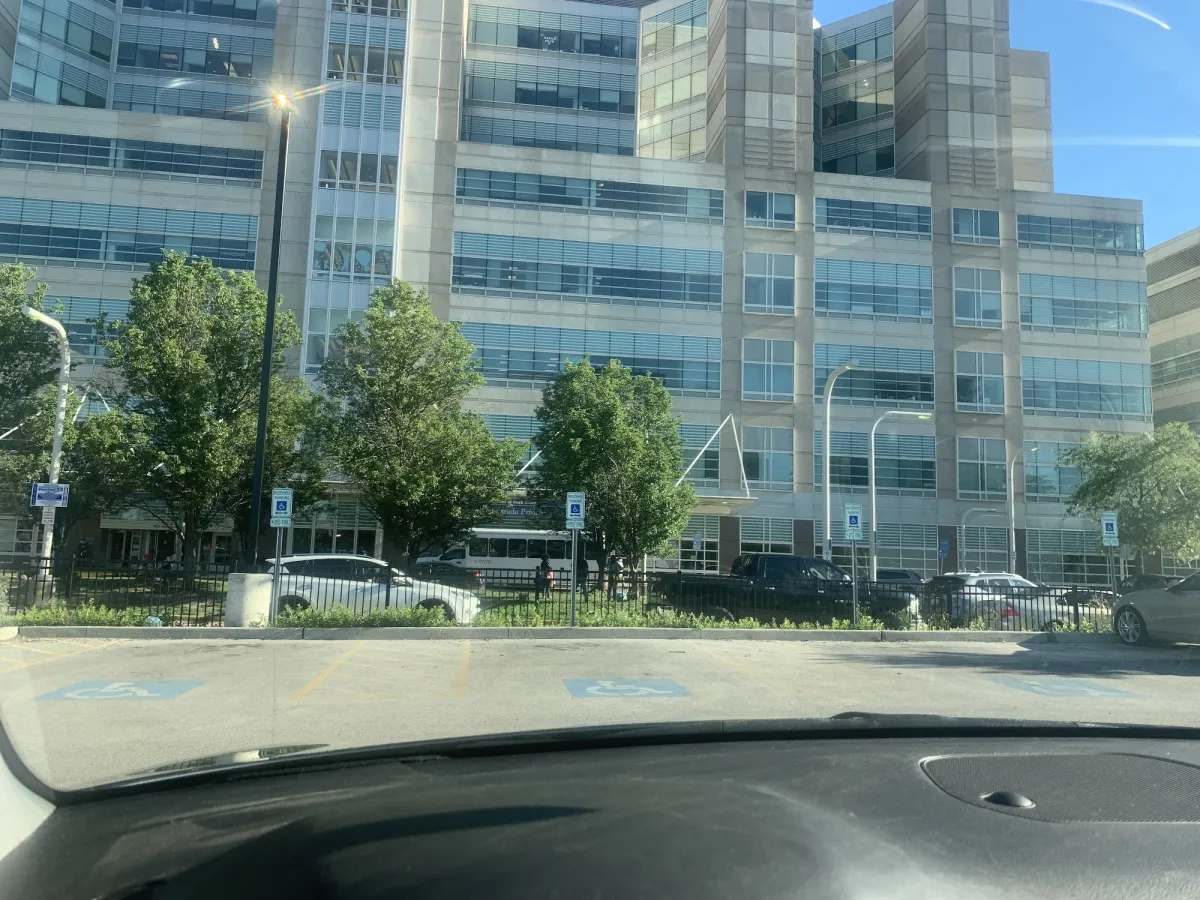 Photo: Chicago General Hospital, via cdn5.localdatacdn.com
Fast forward to today. That same birth would cost approximately $13,500 without insurance — nearly half the median American household income. With complications, the bill can easily reach $50,000. Even with insurance, many families face thousands in out-of-pocket costs.
This isn't just inflation. This is a fundamental transformation in how Americans pay for the basic human need of medical care.
When Doctors Made House Calls for Pocket Change
In the 1940s and 1950s, most medical care happened outside hospitals. Dr. Robert Chen, who practiced in small-town Ohio during this era, charged $3 for a house call — about $35 in today's money. A broken arm set in his office cost $15. An appendectomy, the most common surgery of the era, ran about $200 total, including the surgeon, hospital stay, and anesthesia.
These weren't bargain prices for substandard care. They reflected a different economic model entirely. Hospitals were mostly nonprofit institutions run by religious organizations or local communities. Doctors often adjusted their fees based on what patients could afford. The concept of "surprise billing" didn't exist because there was usually just one bill, from one doctor, with a price you knew upfront.
Most Americans paid for medical care the same way they paid for groceries: out of pocket, at the time of service. Health insurance existed but covered only catastrophic events. The idea that you'd need insurance to afford a routine doctor's visit would have seemed absurd.
The Insurance Revolution That Changed Everything
The shift began during World War II, when wage controls forced employers to compete for workers with benefits instead of salary increases. Health insurance transformed from a luxury to a standard job perk. By 1960, 70% of Americans had some form of health coverage.
This seemed like progress. And in many ways, it was. But it also created an unintended consequence: it disconnected patients from the true cost of care. When someone else is paying the bill, prices tend to rise. Hospitals and doctors began charging what insurance would pay rather than what patients could afford.
The complexity multiplied exponentially. Instead of one simple transaction between patient and provider, medical billing became a three-way dance involving patients, doctors, and insurance companies. Each party developed armies of administrators to manage the process. Those administrative costs — now estimated at 30% of total healthcare spending — didn't exist in 1950.
The Numbers That Tell the Story
Consider these comparisons, adjusted for inflation:
Hospital birth (1950 vs 2024):
- Then: $47 ($580 today)
- Now: $13,500
- Increase: 2,200%
Appendectomy (1950 vs 2024):
- Then: $200 ($2,500 today)
- Now: $33,000
- Increase: 1,200%
Doctor visit (1950 vs 2024):
- Then: $3 ($37 today)
- Now: $250
- Increase: 575%
These aren't just numbers. They represent a fundamental shift in American life. In 1950, a serious illness might mean missing work and spending some savings. Today, it can mean bankruptcy, even for families with insurance.
When Healing Became a Business
The transformation of healthcare from a calling to an industry changed everything. Hospitals became corporations focused on profit margins. Pharmaceutical companies began charging whatever the market would bear. Medical device manufacturers knew insurance would cover their premium prices.
The human cost of this shift extends far beyond money. Medical debt is now the leading cause of personal bankruptcy in America. Families skip necessary care because they can't afford it. People stay in jobs they hate because they can't risk losing health insurance.
Dr. Elisabeth Chen, granddaughter of the small-town doctor mentioned earlier, now practices emergency medicine in California. "My grandfather knew everyone in town," she reflects. "He treated three generations of the same families. When Mrs. Johnson couldn't afford her bill, he'd accept a pie or help with his garden. Try explaining that payment model to a hospital billing department today."
 Photo: Dr. Elisabeth Chen, via labs.utsouthwestern.edu
The Hidden Tax of Complexity
Today's medical billing system employs more people than work in the entire farming industry. Medical coders, billing specialists, insurance adjusters, and claims processors — entire professions that didn't exist when healthcare was simpler and cheaper.
Every insurance claim requires an average of seven different codes to describe what happened during a single doctor visit. A broken leg isn't just a broken leg — it's a specific type of fracture, in a specific location, caused by a specific mechanism, treated with specific procedures, each with its own billing code.
This complexity creates a cascade of costs. Doctors spend less time with patients and more time documenting care for billing purposes. Hospitals employ armies of administrators to navigate insurance requirements. Patients receive bills they can't understand for services they didn't know they were getting.
What We Lost When Healthcare Became Expensive
Beyond the financial burden, expensive healthcare changed how Americans think about their bodies and their future. Previous generations saw doctors when they felt sick. Today, many Americans ration their healthcare, skipping preventive care, avoiding emergency rooms, and hoping problems resolve themselves.
The doctor-patient relationship fundamentally changed when insurance companies became the primary customer. Physicians now optimize for billing codes and insurance requirements rather than simply treating patients. The five-minute appointment became standard not because it's good medicine, but because it's profitable medicine.
Community hospitals that once served as local anchors closed when they couldn't compete with larger systems. Rural areas lost their doctors. The family physician who knew your medical history became a rarity in an era of specialists and urgent care centers.
The Path Forward
Some communities are rediscovering simpler approaches. Direct primary care practices charge monthly fees and skip insurance entirely, returning to the transparent pricing of earlier eras. Surgery centers post upfront prices. Some hospitals offer payment plans that don't require credit checks.
These innovations feel revolutionary, but they're actually returns to older ways of doing business — when prices were clear, relationships mattered, and getting sick didn't mean going broke.
The question isn't whether we can afford healthcare. Americans spend more per person on medical care than any other country. The question is whether we can afford to keep a system that turns healing into a luxury good and medical bills into a form of cruel lottery that can bankrupt any family, regardless of how hard they work or how carefully they plan.
Mary Thompson, now 95, still has the hospital bill from her daughter's birth. "Forty-seven dollars," she says, shaking her head. "And we thought that was expensive."