When Summer Vacation Started in February — Before Booking Trips Became Impulse Shopping
It's Thursday afternoon. You're scrolling through your phone during a coffee break, and suddenly you're booking a flight to Nashville for this weekend. Three taps, one credit card number, and you're done. The entire transaction takes less time than it used to take just to find a travel agent's phone number.
But rewind fifty years, and planning that same trip would have been a months-long family project that created its own special kind of joy.
The Great American Vacation Planning Ritual
In 1970s America, planning the annual family vacation was a winter sport. It began in February with a stack of tourism brochures spread across the dining room table like battle plans. Dad would have written to state tourism boards months earlier, requesting glossy pamphlets that promised "Endless Fun in the Florida Keys!" or "Adventure Awaits in Colorado's Rockies!"
These brochures weren't just marketing materials — they were family entertainment. Kids would spend hours studying photographs of hotel pools, calculating driving distances, and debating the merits of Yellowstone versus the Grand Canyon. The brochures themselves became treasured objects, dog-eared from repeated viewing and annotated with family debates.
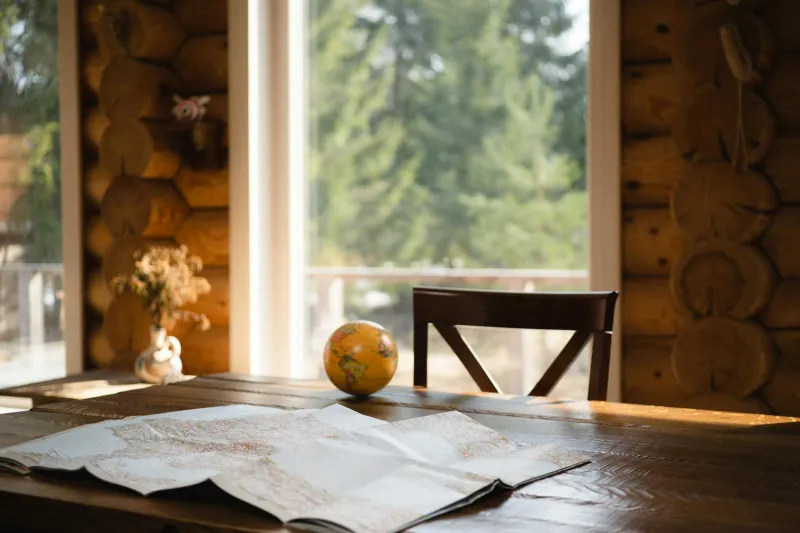
Mom would spread road maps across the kitchen counter, plotting routes with a highlighter and calculating gas stops. The AAA TripTik — a spiral-bound, strip-map routing guide — became the family bible, consulted and re-consulted until the pages were worn soft.
When Anticipation Was Half the Adventure
The planning process could take months, and that was exactly the point. Anticipation was considered part of the vacation experience, not an obstacle to overcome.
Families would spend Sunday afternoons comparing hotel options from brochures, reading descriptions of amenities and studying photographs of swimming pools and restaurant dining rooms. Children would claim dibs on beds and argue over activity preferences months before departure.
The slow build of excitement was intentional and treasured. Each piece of confirmed planning — the hotel reservation made by phone, the restaurant recommendation from friends, the attraction tickets ordered by mail — added to the growing anticipation that made the actual trip feel like the culmination of a long, delicious wait.
The Complexity of Simple Plans
What seems impossibly complicated by today's standards was actually a more social and collaborative process. Planning a vacation required calling friends who had been to your destination, consulting travel agents who knew the territory, and coordinating with extended family who might join portions of the trip.
Hotel reservations meant calling during business hours and speaking to actual people who knew their properties intimately. "We have a room facing the courtyard with two double beds, and it's close to the ice machine but away from the elevator noise." These weren't algorithm-generated suggestions — they were human recommendations based on experience.
Restaurant research meant asking locals, consulting guidebooks checked out from the library, or getting recommendations from the hotel desk clerk upon arrival. There was no Yelp, no Google reviews, no real-time updates. You trusted human judgment and embraced the adventure of discovery.
The Art of the Travel Agent
Travel agents weren't just booking services — they were vacation architects. A good travel agent knew that the Johnson family preferred ground-floor rooms because of Mrs. Johnson's arthritis, that the kids needed activities within walking distance, and that Mr. Johnson's budget could stretch for one special dinner but not nightly fine dining.
These agents built relationships with specific hotels and attractions. They could call in favors, secure upgrades, and provide insider knowledge that no website could match. "Ask for Maria at the front desk and mention that Sally from Travel Time sent you" was worth more than any online review.
The travel agent's office was a destination in itself, filled with posters of exotic locations, brochures from around the world, and the promise that someone with genuine expertise was crafting your perfect getaway.
The Digital Revolution
Today's travel planning is undeniably more efficient. You can compare prices across hundreds of hotels in seconds, read thousands of reviews, see real-time availability, and book everything from flights to dinner reservations without leaving your couch.
Spontaneity that was impossible in the brochure era is now commonplace. Last-minute deals, flash sales, and same-day booking have made travel more accessible and affordable for many Americans.
The democratization of travel information means you can research destinations with depth that would have required professional travel agent expertise decades ago. Street-view maps, real-time weather, and detailed reviews provide unprecedented insight into what you're actually buying.
What Speed Cost Us
But something profound was lost when vacation planning became instant and individual rather than slow and communal.
The family bonding that happened during months of planning — the debates over destinations, the shared excitement over brochure discoveries, the collaborative decision-making — disappeared when travel booking became a solo activity completed in minutes.
The anticipation that made vacations feel special beyond their actual experiences was compressed into the brief moment between booking and departure. When you can book a weekend trip on Thursday for Saturday departure, there's no time for the delicious build-up of excitement that used to be half the vacation's pleasure.
The Lost Art of Looking Forward
Perhaps most significantly, we lost the skill of sustained anticipation. In the brochure era, families learned to savor the pleasure of looking forward to something for months. Children learned delayed gratification as a positive experience, not just a test of willpower.
The vacation planning process taught patience, research skills, family negotiation, and the art of building excitement gradually. These weren't just travel skills — they were life skills that served families well beyond their annual trips.
When planning took months, the vacation itself felt more significant. The investment of time and attention made the experience feel more valuable, more worthy of the effort it required.
The Paradox of Choice
Today's infinite travel options can create decision paralysis that the brochure era's limited choices avoided. When you could choose from dozens of destinations rather than thousands, when you had three hotel options instead of three hundred, decision-making was simpler and often more satisfying.
The constraint of limited information forced families to make decisions and commit to them, rather than endlessly second-guessing and comparison shopping right up until departure.
Finding Balance in the Speed
We can't return to the era of mailed brochures and AAA TripTiks, nor would most travelers want to. The accessibility, affordability, and flexibility of modern travel booking have democratized experiences that were once available only to those with significant time and money.
But understanding what we lost helps explain why modern travel can feel simultaneously easier to arrange and less emotionally satisfying. When we eliminated the planning process, we also eliminated the anticipation that made the destination feel like the reward for patience and careful consideration.
The family vacation didn't begin when you loaded the car — it began when you spread those first brochures across the dining room table and started dreaming together. In our rush to make travel faster and more convenient, we forgot that sometimes the journey really was more important than the destination.