When Americans Dressed Like They Meant It — The Death of Getting Ready
Walk through any American airport today and you'll see a parade of passengers in what can only be described as sleepwear. Pajama pants, flip-flops, tank tops, and clothing that would have been considered underwear just fifty years ago. We've become so accustomed to this casual approach to public dress that we barely notice it anymore.
But step back in time to 1955, and the contrast is jarring. Air travel required a suit and tie for men, a dress and heels for women. Even a trip to the corner store meant putting on "proper" clothes — pressed shirts, polished shoes, and accessories that signaled respect for both yourself and the people you might encounter.
The Era of Intentional Dressing
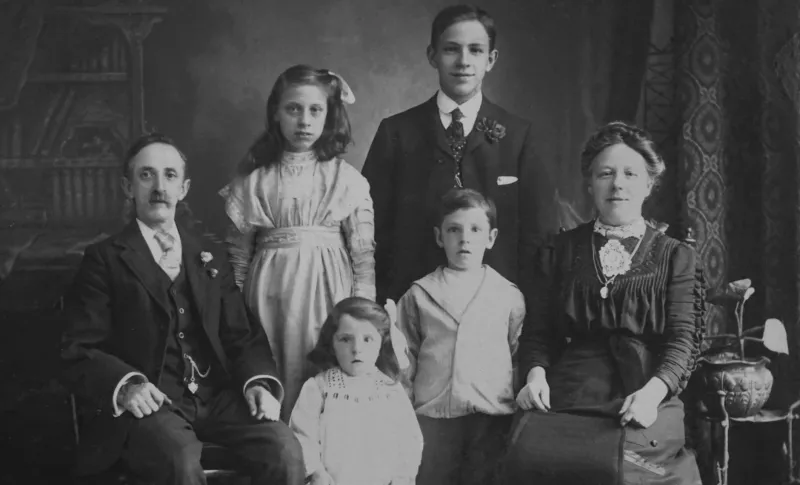
For most of American history, getting dressed was a deliberate act that required thought, time, and care. Men owned fewer clothes but took better care of them. A typical middle-class man might have had two or three suits, several pressed shirts, and one good pair of leather shoes that he polished regularly.
Women's wardrobes were similarly curated. Dresses were tailored to fit properly, hats were chosen to complement outfits, and gloves were essential for any public outing. Even housework required appropriate attire — house dresses that were clean and presentable, because you never knew who might stop by.
The ritual of getting ready was built into daily life. Men shaved every morning, styled their hair with pomade, and selected ties that matched their shirts. Women set their hair in rollers, applied makeup carefully, and chose accessories that completed their look. Getting dressed wasn't a chore — it was preparation for participating in society.
The Social Contract of Appearance
This attention to dress wasn't vanity — it was a social contract. How you presented yourself communicated respect for others and for the spaces you entered. Wearing your "good clothes" to church, to business meetings, or even to dinner showed that you understood the occasion's importance.
Children learned this contract early. They had "school clothes" and "play clothes," and they understood the difference. Getting dressed up for special occasions wasn't punishment — it was part of the ceremony, a way of marking important moments.
Even everyday errands required appropriate dress. Your grandmother wouldn't dream of going to the bank in curlers or the grocery store in house slippers. These weren't formal occasions, but they were public ones, and public appearance mattered.
The Casual Revolution
The transformation began in the 1960s, but it accelerated dramatically in the following decades. The counterculture movement rejected formal dress as part of rejecting formal society. Jeans, once considered work clothes, became acceptable for casual wear. T-shirts evolved from underwear to outerwear.
The workplace led much of this change. "Casual Friday" appeared in the 1980s, allowing office workers to dress down one day a week. By the 1990s, many companies had adopted casual dress codes full-time, especially in the tech industry where formal dress was seen as outdated and restrictive.
Fast fashion accelerated the trend by making trendy, disposable clothing incredibly cheap. Why invest in quality pieces that last for years when you can buy new outfits for the price of a restaurant meal? The economics of clothing shifted from durability to disposability.
The Athleisure Takeover
The final nail in the coffin of intentional dressing came with the rise of "athleisure" — athletic wear designed for everyday life. Yoga pants, sneakers, and hoodies became acceptable attire for virtually any occasion that didn't require formal dress.
This shift coincided with America's growing obsession with fitness and wellness. Wearing workout clothes became a way of signaling that you lived an active, healthy lifestyle, even if you were just running errands. The gym became the new church, and gym clothes became the new Sunday best.
The COVID-19 pandemic accelerated these trends exponentially. With millions working from home, the line between pajamas and work clothes blurred beyond recognition. "Business on top, pajamas on bottom" became the uniform of video conference calls.
The Comfort Culture
Modern American dress prioritizes comfort above all else. We've convinced ourselves that physical comfort equals personal freedom, and that formal dress represents oppression or pretension. The idea that clothing should serve purposes beyond comfort — showing respect, marking occasions, or creating beauty — has largely disappeared.
This shift reflects broader changes in American culture. We've become more individualistic, more focused on personal comfort than social expectations. The idea that we owe others a certain level of presentation has been replaced by the belief that we should be accepted exactly as we are, regardless of how little effort we put into our appearance.
Social media has complicated this further. We spend hours perfecting our online appearance while paying less attention to how we look in person. We'll use filters and editing apps to enhance our digital selves while stepping out in public in whatever happens to be clean.
What We Lost in the Wash
The death of intentional dressing represents more than just changing fashion — it reflects a fundamental shift in how Americans think about public life and social responsibility. When we stopped caring about how we presented ourselves, we also stopped caring about the spaces and people we encountered.
The ritual of getting dressed once provided structure to daily life. It marked the transition from private to public self, from home to world. It required us to think about where we were going and how we wanted to be perceived. That mindfulness has largely disappeared.
There's also something lost in terms of self-respect and confidence. Dressing well wasn't just about impressing others — it was about feeling prepared and capable. When you took time to present your best self, you often felt more confident and performed better.
The Occasional Exception
Interestingly, Americans still understand the power of intentional dressing when it really matters. We still dress up for weddings, funerals, and job interviews. We still recognize that some occasions require more effort than yoga pants and flip-flops.
But these occasions have become increasingly rare exceptions to our casual default. What once was everyday respect for public appearance is now reserved for only the most formal events.
Beyond Nostalgia
This isn't an argument for returning to the 1950s dress code — those standards often reflected rigid social hierarchies and gender expectations that needed changing. Women shouldn't have to wear dresses to be taken seriously, and men shouldn't need suits to command respect.
But perhaps we've swung too far in the opposite direction. In rejecting the oppressive aspects of formal dress, we've also abandoned the positive elements: the mindfulness, the respect for others, and the simple pleasure of presenting our best selves to the world.
The question isn't whether we should return to hats and gloves, but whether we've lost something valuable in our rush toward maximum comfort. In a world where getting dressed has become an afterthought, maybe it's worth considering what we gained — and what we lost — when Americans stopped dressing like they meant it.