We Used to Own Things. Now We Just Subscribe to Them.
We Used to Own Things. Now We Just Subscribe to Them.
There's a photo that keeps circulating online — a family in the early 1980s gathered around a brand-new television set, still in its box, clearly a major household event. Someone saved up for that TV. It probably took months. And once it was in the living room, it was theirs — no monthly fee, no cancellation policy, no password to reset.
Compare that to today. You might have four streaming services, a music platform, a cloud storage plan, a software subscription, a leased car, and maybe — if you live in one of the growing number of cities where this is now a thing — a furniture rental service. Every month, money leaves your account for things you don't actually own. And most of us barely notice anymore.
This is one of the quietest economic revolutions of the last two decades. The shift from owning stuff to subscribing to it has reshaped how Americans spend, save, and think about what they have.
The Era of Saving Up
For most of the 20th century, the dominant consumer logic in America was simple: you wanted something, you saved for it, you bought it, you kept it. A television set in 1955 cost the equivalent of roughly $1,500 in today's dollars. People planned for that purchase. They comparison-shopped. When it finally arrived, the object carried weight — financial and emotional.
The same was true for appliances, furniture, cars, and eventually home computers. These were capital purchases. They represented accumulated effort. And crucially, once you owned them, the cost was done. A washing machine bought in 1972 might run for 20 years with nothing but occasional repairs. You paid once. You owned it. That was the deal.
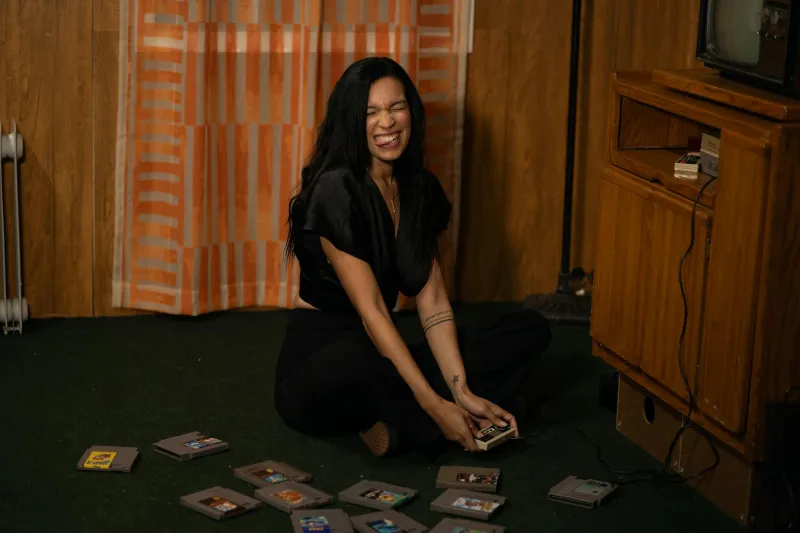
Even entertainment followed this model. You bought records, then tapes, then CDs. You bought VHS tapes and later DVDs. The shelves in American living rooms were physical libraries — evidence of what a household had chosen and paid for, stacked up and kept.
How the Switch Happened
The subscription model didn't arrive all at once. It crept in through the side door.
Software was first. In the 1990s, you bought Microsoft Office in a box. By the 2010s, Microsoft had moved to a subscription model — Office 365, later Microsoft 365. The logic from the company's perspective was obvious: instead of waiting for customers to buy a new version every few years, you collected a steady monthly payment forever. Customers got automatic updates. Companies got predictable revenue. Everyone adjusted.
Then came Netflix, which started as a DVD-by-mail service and pivoted to streaming in 2007. Then Spotify in 2008. Then the floodgates. By 2020, the subscription economy had expanded into software, media, fitness, food, clothing, cars — and yes, furniture. Companies like Fernish and CORT were offering monthly rental plans for sofas and dining tables, pitched to young urban renters who move frequently and don't want the hassle of ownership.
The numbers tell the story. A 2022 survey by C+R Research found that the average American spends over $200 a month on subscriptions — and consistently underestimates that number by nearly half. Most people, when asked to guess what they spend, say around $80.
What This Reveals About Wealth and Psychology
Here's where it gets interesting. The subscription model isn't just a business strategy — it's a psychological shift. Ownership requires a lump sum, which requires savings, which requires discipline and delayed gratification. Subscriptions lower the barrier to entry dramatically. You don't need $1,500 to get a great TV experience. You need $15.99 a month.
For younger Americans — many of whom are dealing with student debt, high rent, and stagnant wage growth relative to housing costs — the subscription model can feel like the only realistic option. Why save for years to own something when you can access it now for a manageable monthly fee?
But the math, over time, tells a different story. Paying $15 a month for a service you use for ten years means you've spent $1,800 — and you own nothing at the end of it. The low monthly cost obscures the long-term expense. This is, of course, exactly what subscription-based businesses are counting on.
There's also a deeper question about what ownership means for financial security. Real estate has long been America's primary vehicle for building household wealth — you pay into a mortgage and eventually own an appreciating asset. The subscription economy runs in the opposite direction: you pay continuously and accumulate nothing tangible. For a generation already locked out of homeownership at record rates, the erosion of ownership across other categories of life isn't a trivial concern.
Is Owning Things Becoming a Luxury?
In some ways, yes. Outright ownership — of a car, of software, of a music library, of physical media — is increasingly the choice of people with enough capital to make lump-sum purchases. Streaming services and rental models have democratized access, which is genuinely valuable. But they've also made it easier to spend more money over time while building less.
There's a certain irony in it. The 1970s family that saved up for a television set and kept it for fifteen years was, in a quiet way, practicing a form of financial discipline that the modern subscription economy actively discourages. Every service is designed to make the monthly charge feel small and the cancellation feel like a loss.
Ownership used to be the default. Now it's something you have to consciously choose — and increasingly, pay a premium for the privilege.