Your Neighborhood Pharmacist Used to Know Your Blood Pressure — And Your Favorite Ice Cream
Step into any CVS or Walgreens today, and you'll encounter a familiar routine: grab a number, wait in line, hand over your prescription to someone who might not even look up from their computer screen. Your medication gets dispensed from an automated system, you swipe your card, and you're gone. Efficient, yes. Personal? Not even close.
But rewind sixty years, and getting your prescription filled was an entirely different experience — one that combined healthcare, community gathering, and genuine human connection in ways that seem almost quaint today.
The Pharmacist Who Knew Everything
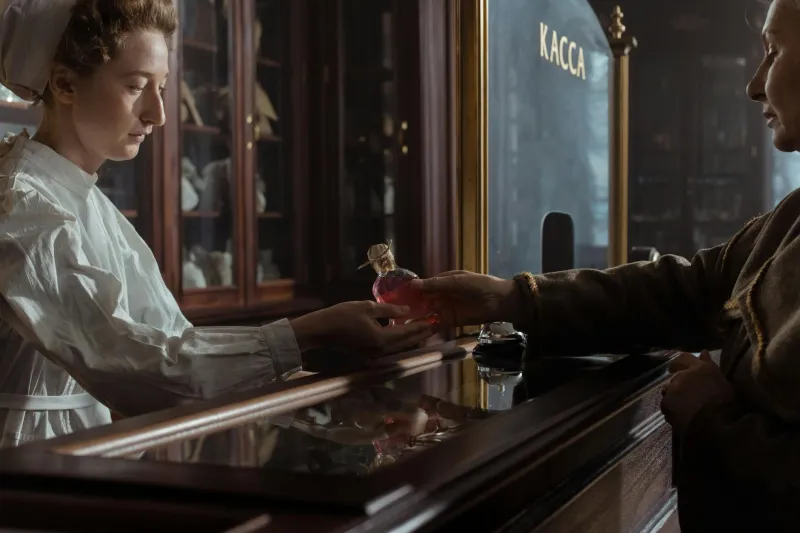
In mid-century America, your neighborhood druggist wasn't just someone who counted pills. He was a healthcare advisor, confidant, and often the first person you'd consult when something felt wrong. Mr. Johnson at Johnson's Pharmacy knew that your mother's arthritis acted up when it rained, that your father needed to watch his blood pressure, and that little Susie was allergic to penicillin.
This wasn't just good customer service — it was essential healthcare. Most Americans saw their doctor maybe once or twice a year, but they visited the pharmacist regularly. He'd check your blood pressure for free, recommend over-the-counter remedies, and wasn't shy about telling you when you needed to see a real doctor.
Pharmacists mixed medications by hand, creating custom formulations for individual patients. They'd adjust dosages, substitute ingredients for people with allergies, and explain exactly how and when to take each medication. The relationship was built on trust, knowledge, and genuine care for the community's health.
More Than Medicine
But the corner drugstore was about much more than pharmaceuticals. It was the neighborhood's unofficial social center, anchored by that magical fixture that's now extinct: the soda fountain.
Teenagers gathered after school for cherry Cokes and ice cream sundaes. Business people grabbed quick lunches at the counter. Mothers brought their children for treats and stayed to chat with neighbors. The soda fountain wasn't just a place to get a drink — it was where community happened.
The druggist often served as the fountain's operator, seamlessly switching between mixing medications and mixing milkshakes. He'd remember that Tommy liked extra whipped cream on his sundae and that Mrs. Peterson always ordered her Coke with extra syrup.
The Personal Touch That Mattered
What made these relationships special wasn't just familiarity — it was the level of personal attention that today's healthcare system has completely abandoned. Your pharmacist knew your family's medical history going back generations. He'd spot dangerous drug interactions before they happened and wasn't afraid to call your doctor if something didn't seem right.
When you picked up a prescription, it came with a consultation. The pharmacist would explain potential side effects, warn you about foods or activities to avoid, and check in about how previous medications had worked. This wasn't rushed — it was part of the service you paid for.
Many pharmacists made house calls for elderly customers who couldn't make it to the store. They'd deliver medications personally, check in on their patients' wellbeing, and serve as an informal link between patients and their doctors.
The Chain Revolution
The transformation began in the 1960s when large pharmacy chains started expanding across America. Companies like CVS, founded in 1963, promised lower prices, longer hours, and greater convenience. They could buy medications in bulk, operate with lower overhead, and stay open when the neighborhood druggist was closed.
At first, the chains coexisted with independent pharmacies. But over time, the economics became impossible to ignore. Chain pharmacies could fill prescriptions faster and cheaper, and insurance companies began steering customers toward preferred providers that offered better rates.
The soda fountains were among the first casualties. Chains found them unprofitable and inefficient, taking up valuable retail space that could be used for higher-margin products. One by one, the fountains disappeared, replaced by aisles of consumer goods.
Today's Pharmaceutical Assembly Line
Modern pharmacy operations are marvels of efficiency. Automated dispensing systems can fill hundreds of prescriptions per hour with minimal human intervention. Computer systems check for drug interactions, insurance systems process claims instantly, and customers can refill prescriptions through apps without speaking to anyone.
But efficiency came at a cost. Today's pharmacists, buried behind high counters and computer screens, have little time for personal consultation. They're focused on volume, not relationships. The average customer interaction lasts less than two minutes, barely enough time to explain basic dosage instructions.
Many customers never see the same pharmacist twice. Staff turnover is high, and the personal relationships that once defined the profession have largely disappeared. Your prescription history might be in the computer, but nobody remembers that you're allergic to sulfa drugs or that you prefer the generic version of your blood pressure medication.
What We Lost in the Translation
The death of the neighborhood drugstore represents more than just business evolution — it's a perfect example of how American healthcare became impersonal and fragmented. We gained efficiency and lost humanity.
Your neighborhood pharmacist used to be part of your healthcare team, someone who knew your medical history and could spot problems before they became serious. Today's pharmacy staff are transaction processors, focused on getting you in and out as quickly as possible.
The soda fountain might seem like a quaint anachronism, but it served a vital social function. It created a space where community members naturally gathered, shared information, and looked out for each other. When the fountains disappeared, neighborhoods lost one of their few remaining gathering places.
The Price of Progress
Modern pharmacy chains undeniably provide better access to medications. They're open longer hours, stock more products, and can serve more customers. For many Americans, especially those in rural areas, chain pharmacies provide access to medications that might not otherwise be available.
But in optimizing for efficiency, we eliminated the human element that made pharmacy care truly personal. We traded the druggist who knew your name for the automated system that knows your insurance number.
The corner drugstore, with its personal service and community atmosphere, represents a model of healthcare that prioritized relationships over transactions. It's a reminder that sometimes the most important medicine isn't what comes in the bottle — it's the human connection that comes with it.