Before Your Kitchen Had a Hum: The Forgotten Army That Kept America Fed
The Dawn Delivery That Shaped Every Meal
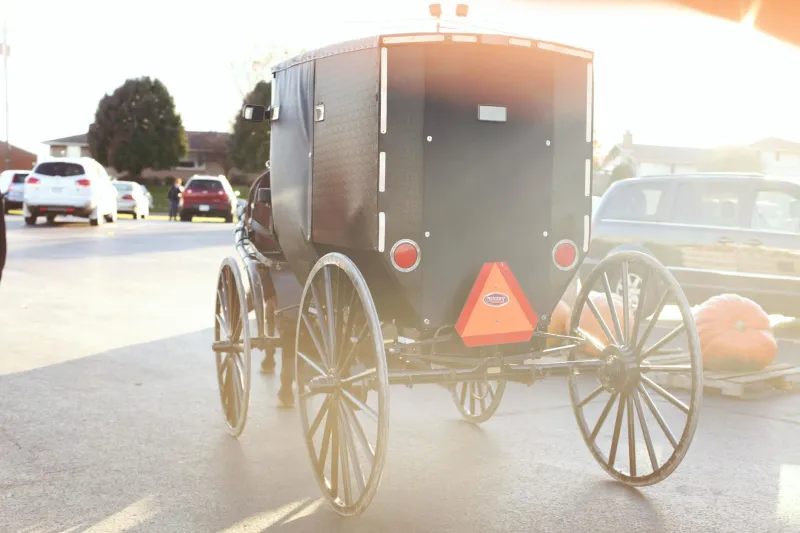
Before sunrise each morning in 1920s America, the clip-clop of horse hooves announced the arrival of the most essential worker in the neighborhood: the iceman. Carrying 25, 50, or 100-pound blocks of ice with massive tongs, he'd haul his frozen cargo into kitchens across the country, sliding it into wooden boxes that represented the cutting edge of food preservation technology.
Without him, dinner was impossible.
The Ice Industry That Built America
Long before anyone dreamed of electric refrigerators, an entire economy revolved around keeping food cold. During winter months, teams of workers would harvest ice from frozen lakes and rivers, cutting it into uniform blocks with specialized saws. These blocks—some weighing 300 pounds—were stored in massive insulated warehouses filled with sawdust, creating stockpiles that would last through summer.
The logistics were staggering. A single ice house might store 100,000 tons of ice, employing hundreds of workers. Horse-drawn wagons followed precise routes through neighborhoods, with drivers memorizing which families needed ice on which days. The iceman didn't just deliver—he was part meteorologist, part inventory manager, part neighborhood fixture who knew exactly how much ice the Johnson family used versus the Smiths next door.
The Icebox: America's First Refrigerator
In every American kitchen stood a wooden cabinet that looked like furniture but functioned as a primitive refrigerator. The icebox, typically made of oak or ash with zinc or porcelain lining, had two compartments: one for the ice block, another for food. Cold air would circulate downward, keeping perishables cool for maybe two or three days.
But iceboxes demanded constant attention. Families had to empty the drip pan daily as ice melted. They rearranged food based on temperature zones—dairy near the ice, vegetables in the middle, less perishable items toward the bottom. Running out of ice meant emergency trips to the ice house or, worse, watching food spoil in real time.
When Shopping Meant Daily Survival
Without reliable refrigeration, meal planning became an exercise in military precision. Housewives shopped almost daily, buying only what the family could consume before spoilage set in. Milk lasted maybe 24 hours in summer heat. Meat required immediate cooking or curing. Fresh vegetables were a luxury available only during growing seasons or for families wealthy enough to afford frequent ice deliveries.
The corner grocery store wasn't a convenience—it was a necessity. Shopkeepers knew their customers' eating patterns and would reserve perishables accordingly. Credit systems developed around the rhythm of ice delivery, since families needed to coordinate shopping with their refrigeration capacity.
The Root Cellar: Nature's Refrigerator
Beyond iceboxes, American families relied on ingenious low-tech solutions. Root cellars—underground rooms that maintained consistent 50-55 degree temperatures—stored potatoes, carrots, apples, and preserved goods through winter months. These weren't simple holes in the ground but carefully engineered spaces with proper ventilation, drainage, and insulation.
Families also used springhouses, built over natural springs to keep dairy products cool. Smokehouses preserved meat through dehydration and chemical treatment. Every preservation method required skill, timing, and constant vigilance against spoilage.
The Iceman's Route: A Neighborhood Institution
Ice delivery wasn't just commerce—it was community infrastructure. Families displayed cards in their windows indicating how much ice they needed: 25, 50, or 100 pounds. The iceman would arrive with his leather shoulder pad, metal tongs, and intimate knowledge of every customer's habits.
Children followed ice wagons during summer, collecting chips that fell from the blocks. Housewives timed their schedules around delivery routes. The iceman often carried news between houses, functioning as an informal neighborhood communication network. His arrival didn't just mean cold food—it meant connection to the wider community.
When Electric Refrigeration Changed Everything
The first electric refrigerators appeared in the 1910s but remained expensive luxury items costing as much as a car. General Electric's "Monitor Top" refrigerator, introduced in 1927, began making mechanical refrigeration affordable for middle-class families. By 1950, over 90% of American homes had electric refrigerators.
The transition happened remarkably quickly. In 1930, most families still depended on ice delivery. By 1940, electric refrigeration had largely replaced iceboxes in urban areas. An entire industry—ice harvesting, ice houses, ice wagons, icemen—virtually disappeared within two decades.
The Forgotten Skills of Food Preservation
With electric refrigeration came the loss of countless preservation techniques that families had practiced for generations. Women no longer needed to know how to properly cure meat, when to harvest ice, or how to arrange food for optimal cooling in an icebox. The complex seasonal rhythms of food procurement and storage gave way to the simple act of opening a refrigerator door.
Canning, smoking, salting, and drying—skills essential for survival just decades earlier—became hobbies rather than necessities. The deep knowledge of food spoilage patterns, temperature management, and preservation chemistry gradually faded from common experience.
What We Gained and Lost in the Cold
Electric refrigeration liberated American families from the daily struggle against spoilage, enabling new eating patterns, food variety, and meal planning flexibility. Families could buy in bulk, store leftovers safely, and enjoy fresh foods year-round. The modern American diet—with its emphasis on fresh produce, dairy products, and convenience foods—became possible only through reliable refrigeration.
But something was lost in the transition. The ice delivery system connected families to their food supply in immediate, tangible ways. Every meal required planning, every purchase demanded consideration of storage capacity and spoilage timing. Food had weight, urgency, and value that's hard to imagine in our age of endless refrigerated abundance.
The Hum We Don't Hear
Today, refrigerators hum quietly in the background of American life, so ubiquitous we notice them only when they break. We open doors expecting cold air, store food for weeks without concern, and take for granted the complex mechanical systems that keep our food fresh.
But before that hum existed, an army of workers—icemen, harvesters, warehouse operators, and delivery drivers—made modern eating possible through pure human effort. Every cold glass of milk represented a chain of labor stretching from frozen lakes to kitchen iceboxes, a reminder that our most basic comforts once required the daily coordination of entire industries.
The iceman may be gone, but his legacy lives in every refrigerated bite we take for granted.